


Olive trees and their fruit are central not only to the everyday lives of Palestinians, but also as a symbol of Palestinian resistance and resilience.
As Islamic Relief prepares 2 new projects providing olive trees to Palestinian families in the Occupied Palestinian Territory (OPT) and Lebanon, we break down the significance of the olive tree to Palestinians.
Olive trees are among the oldest cultivated trees on Earth. With an average lifespan of some 300-600 years, the trees can support families and communities for generations.
Some olive trees have been reported as living for thousands of years, with the world’s oldest believed to be between 2,000 and 4,000 years old.
The long lives of olive trees reflect the history of Palestinian communities on their land, where the trees have been a constant amid hundreds of years of political change and upheaval.
The presence of the trees also challenges the idea that Palestine was ‘a land without people’, as claimed by settler movements in the nineteenth and twentieth centuries.
Olives are the primary or secondary source of income for some 80,000-100,000 Palestinian families. Before October 2023, they accounted for 70% of fruit production in the OPT. Most of the annual olive harvest (93%) is used to produce olive oil, while the rest is used for soap, table olives and pickled olives.
Most of the OPT’s olive products are consumed locally, but exports to the region and internationally are increasingly common.
Harvest season, traditionally October-November, has long been a time for families to come together and pick olives from their trees, often singing and sharing stories while they work. Even universities and schools give students time off for the harvest.
Most of the olives are pressed for oil, which is used in cooking – from making zaatar to stews and pastries – but olives are also present in some medicines and cosmetics, as well as soap.
Some olive oil even serves a religious purpose, with Muslims and Christians considering it a blessed or symbolic substance and using it in their rites.
Beyond seeing olive trees solely as a source of income, many Palestinians have a strong emotional connection to their trees, which they care for over years and decades, almost as they would a family member.
Olive trees and their fruit feature prominently in the art of Palestine, with many painters and poets such as Mahmoud Darwish and Tawfiq Zayyad drawing on their powerful symbolism.
Olive trees have been yet another casualty of Israel’s devastating bombardment of Gaza. While cultivated land has been destroyed by military attacks, many families have been forced to take an axe to their own trees for firewood amid crippling fuel shortages.
In a November 2024 blog, written to mark the International Day of Solidarity with the Palestinian People, an Islamic Relief aid worker recounted this experience:
“I cannot forget that olive trees provided us with wood and leaves to burn for heat and cooking when there was no fuel. We keep taking, and they keep giving. Even their extended branches sheltered us when there was no shelter.”
Forced to flee to a nearby country where they are now safe with their family, but longing for home and peace, our colleague wrote:
“I wish I’d had the chance to hug my own trees goodbye. It’s a feeling so many of us share… We have a profound bond with these trees and the land they grow on. They are an integral part of our heritage, food and even our proverbs – a heritage accumulated through centuries of connection. As the Palestinian poet Mahmoud Darwish said, ‘Here we remain, as long as thyme and olives remain.’
“The olive trees and the people bonded to them can only live and thrive on this land, just as other types of trees flourish where they too belong.”
Olive trees are drought-resistant and can grow even in poor soil conditions. These characteristics have made the trees symbolic of Palestinians’ attachment to their land.
Beyond symbolism, olive trees play a material role in the resistance of Palestinians to illegal occupation and land seizures. Planting and cultivating these trees are acts of defiance amid occupation, while the presence of the trees makes it more difficult to claim land is uninhabited or unused.
However, many farmers have been cut off from their trees, with access to land hugely restricted by Israeli controls. An inconsistently implemented permit system severely hampers farmers’ ability to cultivate their trees. Permits are granted to individuals, meaning families can often not work together to care for their trees – resulting in smaller harvests. Farmers must also often pass through checkpoints to reach their land. These checkpoints are only open at certain times of day, which restricts the time farmers can spend working their land and so also limits the harvest.
While olive trees can survive without constant cultivation, meaning they can still be a valuable source of income for families despite the hefty access challenges, the impact of separating farmers from their land and trees is significant.
Sadly, olive trees – and the farmers who cultivate them – have become a target for attacks, particularly just before and during harvest season.
This is especially the case in the West Bank, where trees have been uprooted, burned and hacked apart by settlers. In 2025, United Nations agency OCHA reported the highest level of damage due to settler attacks since 2020, with over 4,000 trees attacked in 126 incidents recorded across 70 towns and villages.
Such attacks have been condemned by international non-governmental organisations, as well as some Jewish groups, who point out that the Torah prohibits the destruction of trees, including during wartime.
The destruction of trees in conflict also violates the Geneva Convention, specifically Articles 54 and 55.
Local communities and civil society groups have taken steps to protect trees and farmers during harvest season, as well as to replace trees that have been destroyed, but OCHA figures suggest the problem is getting worse.
Islamic Relief is raising funds for a new project to grow olive trees in the Occupied Palestinian Territory. Families will receive olive trees, which they can use to boost their income and improve their diet.
It will help ensure Palestinian people have enough food in the future, make communities better able to handle challenge, protect the environment, and keep cultural traditions alive
Grow futures in Palestine: donate to our olive trees fund now – a form of sadaqah.
A similar project in Lebanon is set to support 100 displaced Palestinian families in Bekka and Baalbeck with olive trees, helping them rebuild their lives and futures in a country gripped by economic crisis and Israeli attacks
Find out more about the project in Lebanon and how you can donate here.


We will always treat your personal information with the utmost care and will keep it private (read our privacy policy). You can opt out at any time by contacting us via email at IslamicReliefWorldwide@irworldwide.org or by clicking the unsubscribe button on one of the emails you receive from us.
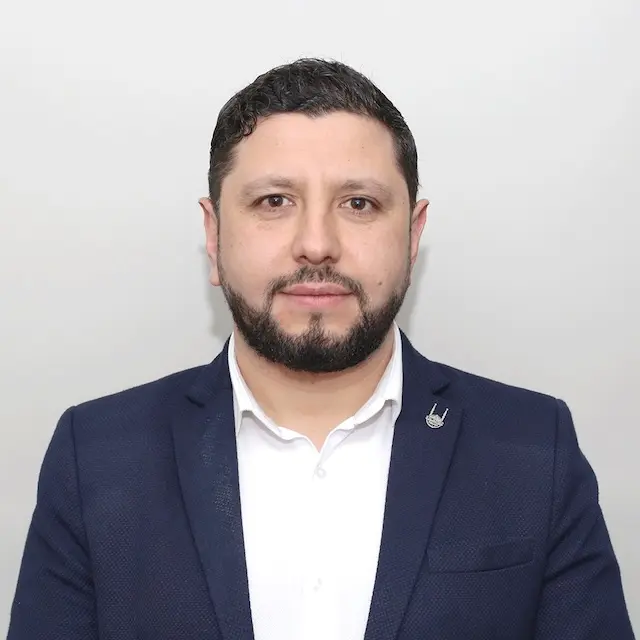
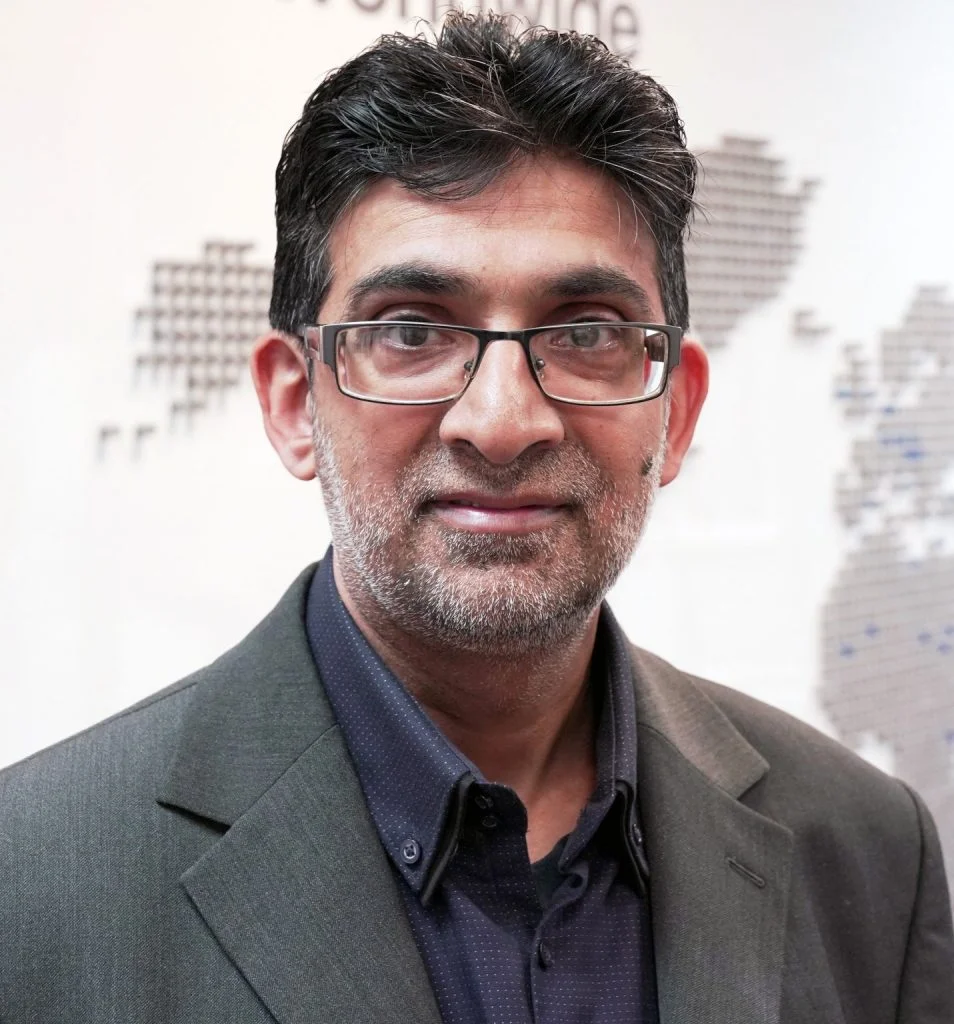
Zia Salik was appointed Interim Director of Islamic Relief UK in 2025, and brings with him over 18 years of third sector experience. He has held several leadership roles within Islamic Relief UK, including National Events Coordinator, National Community Fundraising Manager, Head of Fundraising, and Deputy Director. Zia has led national fundraising strategies, managed large-scale campaigns and events, and contributed significantly to volunteer development, donor engagement and public outreach.
As Interim Director, Zia oversees multiple teams and contributes to strategic planning, operational leadership and organisational growth. He is recognised for his expertise in major donor management, public speaking, media engagement and community fundraising. Zia has been instrumental in building strong community networks and delivering impactful campaigns.
Before joining Islamic Relief, Zia served as Programmes Manager at Humber All Nations Alliance, where he led organisational growth, project delivery and funding proposals.
Zia is a seasoned leader committed to social justice, who brings a collaborative, mission-driven approach to his work, helping to amplify voices and maximise impact in the charity sector.
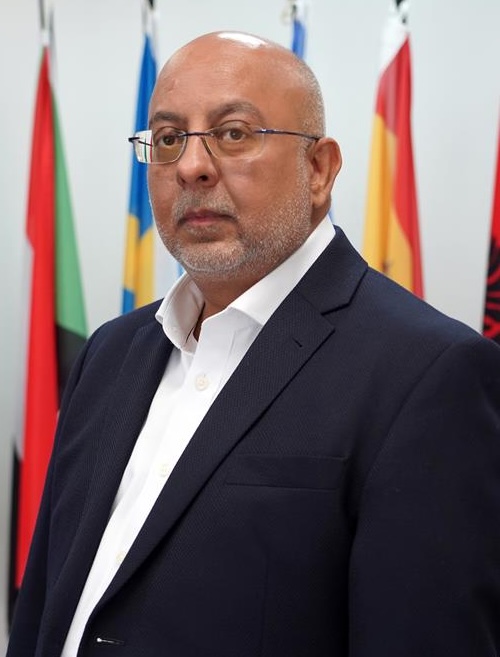
Nadeem has a wealth of experience from the charity, statutory and private sectors. He is the Managing Director of HAD (a division of IRW) which is a centre of excellence seeking to empower the humanitarian sector and maximise its effectiveness and from October 2025 will serve as our interim CEO.
Before joining Islamic Relief, for nearly a decade at the General Medical Council — a globally recognised professional regulator — Nadeem managed strategic relationships with Chief Medical Officers and senior leaders. Prior to that, he served as the UK Director of Islamic Help, engaging closely with many international non-governmental organisations and playing a key role in fundraising and media activities.
In 2000, Nadeem was admitted as a solicitor. He spent nearly 8 years as a Partner at a law firm specialising in employment, regulatory and charity law. He has published papers, including in the Modern Law Review, and chapters in books.
Nadeem is deeply committed to strengthening civil society organisations and the charity sector, and throughout his career has focused on improving foundations for future generations and building strong networks. Nadeem has particular expertise working in matters of Learning and Development, especially personal and professional development, combining Islamic principles with modern techniques and interventions. He is also especially interested in psychological perspectives and cognitive distortions. He has designed and delivered training to thousands of people for nearly 3 decades.
As well as individual development and growth, Nadeem has spent 20 years working with organisations to manage and lead people to improve outcomes and efficiencies. He is a Consultant Coach, qualified at ILM Level 5 in Effective Coaching and Mentoring and ILM Level 7 in Executive and Senior Leadership Coaching. He was Chair of the Independent Advisory Group for the Professional Standards Department of West Midlands Police for 4 years, where he was awarded recognition for his ‘Outstanding Work.’
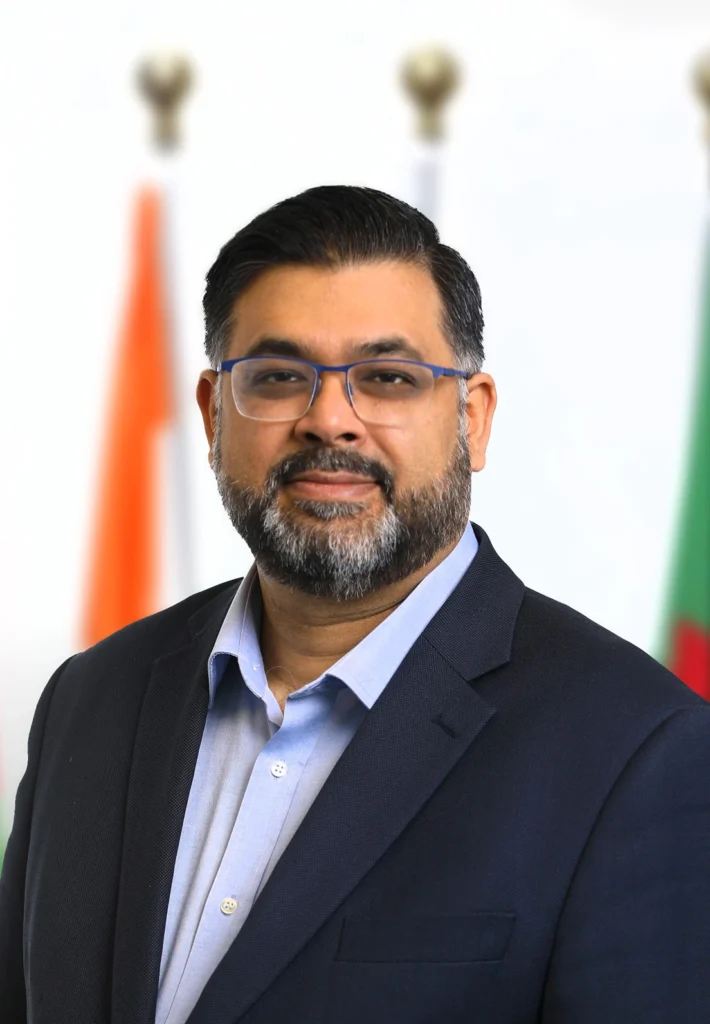
Saqeb Mueen
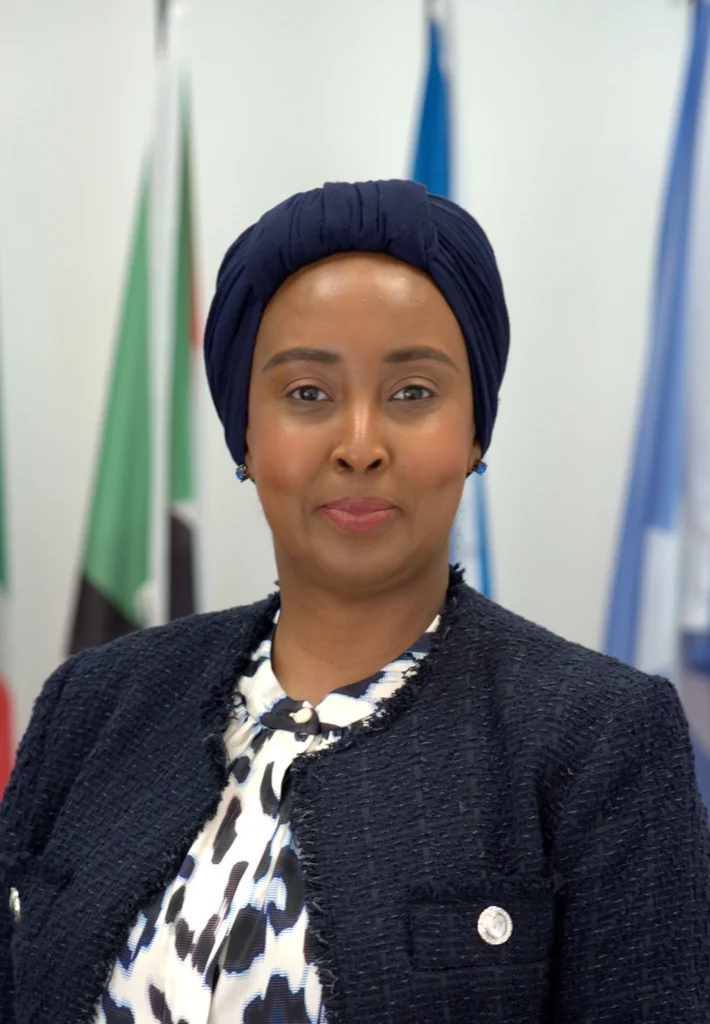
Asha joined Islamic Relief in 2025 with the aim of working with colleagues to create an environment where everyone feels valued, empowered, and motivated to contribute meaningfully to our shared mission.
Asha has more than 20 years of experience in HR leadership across a range of industries, holding roles at Thomson Reuters, BMW, Movado Group and others. She is passionate about building strong, resilient teams and fostering positive workplace cultures where individuals are empowered to thrive, contribute and do their best work.
Asha holds a BA in Management, Economics and Law, as well as a BA in Business Studies. She is an Associate Member of the Chartered Institute of Personnel Development.
Adnan joined Islamic Relief in 2004 as a regional fundraiser in the UK. He worked in multiple roles over 10 years at Islamic Relief UK, including setting up the first digital team and leading the growth of digital fundraising and engagement. Adnan also led numerous fundraising and marketing campaigns, which played a significant part in the growth of Islamic Relief UK.
Having moved to Islamic Relief Worldwide in 2014, Adnan has held different roles that have helped grow Islamic Relief’s global digital footprint into new geographic territories, supporting Islamic Relief members with their digital and marketing growth as well as developing new products and initiatives for the Islamic Relief family.
Adnan graduated in Industrial Design and Technology from Loughborough University. He has since completed an Advanced Diploma in Business Administration from Durham University and a Diploma in Digital Marketing from the Institute of Data and Marketing.
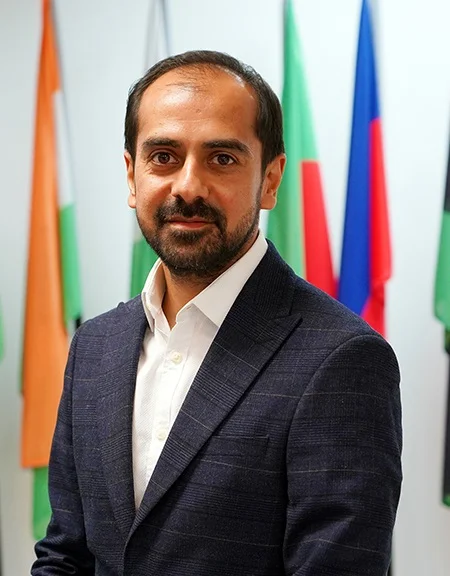
Nadeem Azhar
Nadeem joined Islamic Relief Worldwide in September 2022. He has worked in the charitable sector for over a decade.
He studied Modern History and Politics at Manchester University, and at the University of Law in London before qualifying as a solicitor in 2011.
Nadeem is an experienced corporate, commercial and governance lawyer, having worked with various faith-based and grant making charities as well those in health and education settings. He was a partner at a law firm in London before moving in-house where he focused on setting up and restructuring charities and social enterprises.
Most recently, Nadeem was Lead Counsel at Mind, a leading mental health charity, where he co-authored a new federation agreement, revamped legal processes, and played a major role in developing its strategic and fundraising partnerships.
Nadeem has been a charity trustee for the Seafarers Charity, as well as many grant-making bodies and theatre companies.
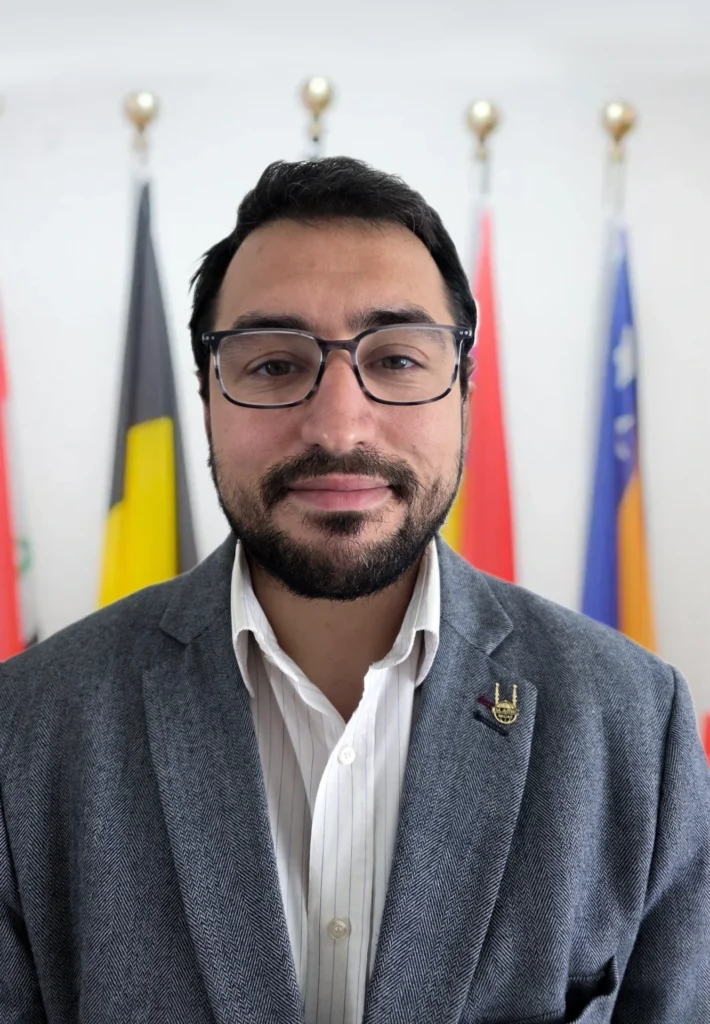
Salaheddin joined Islamic Relief UK in 2006 and over the next 7 years held multiple roles, including Community Fundraiser and Campaigns Manager, before joining Islamic Relief Worldwide in 2013.
Since then, Salaheddin has been instrumental in the launch and growth of new Islamic Relief member offices in Ireland, Spain, Norway and Finland, as well as providing essential support and guidance to existing members, including Italy, where he served as CEO for 3 years.
In 2023, Salaheddin became Deputy Director of Global Family Development and in this role has continued to play a crucial part in steering Islamic Relief’s growth and expansion. He has also led global fundraising and media engagement for major emergencies including the Türkiye-Syria earthquake and Libya floods. Salaheddin became the Interim Director of Global Family Development in 2025.
Salaheddin holds a master’s degree in International Development and is actively involved in several community-led initiatives. He is currently the Vice President of the International Union of Muslim Scouts and Deputy Chair of the UK Muslim Scouts Fellowship as well as Chair of the South Birmingham Muslim Community Association.
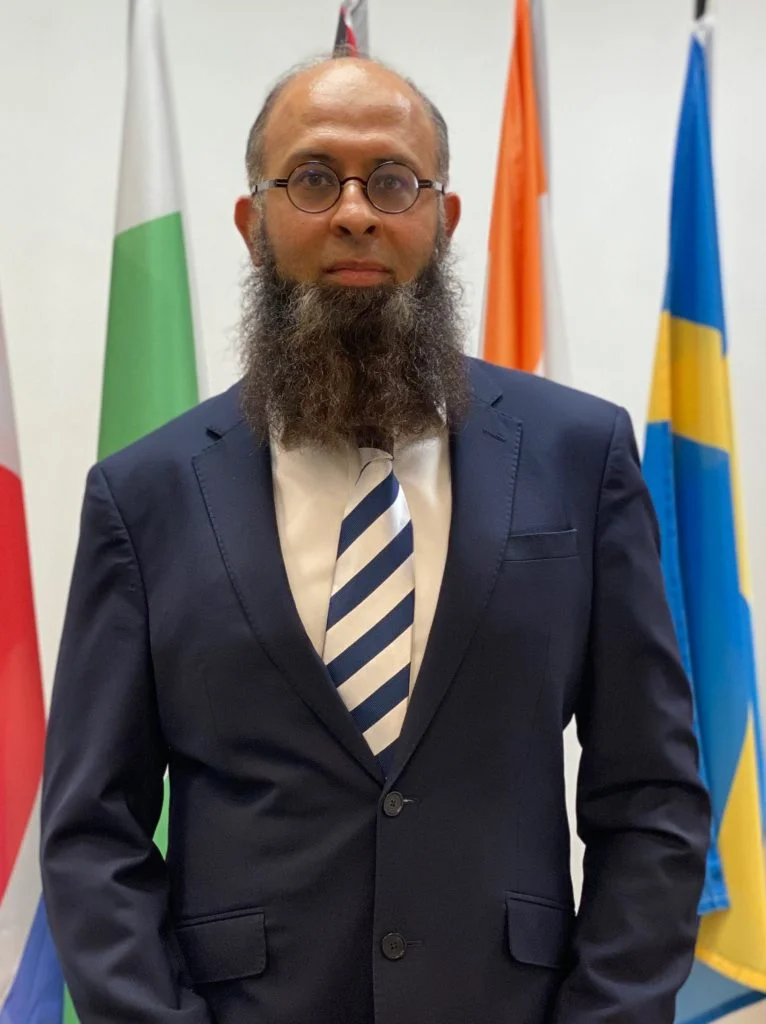
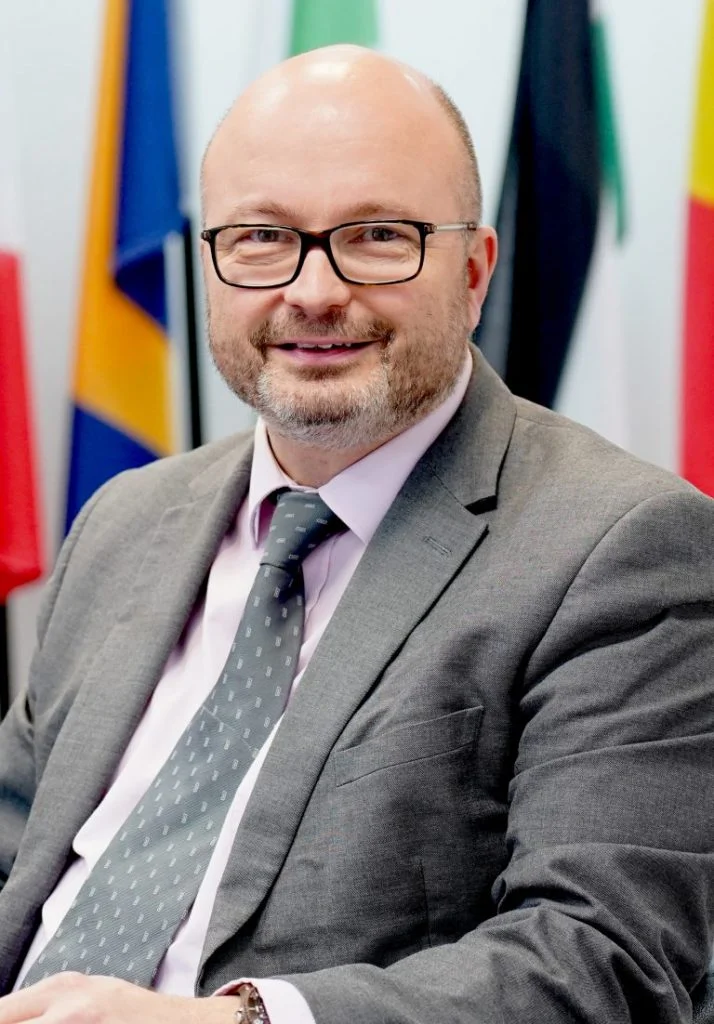
Martin Cottingham joined Islamic Relief in 2012 as IRUK Media Relations Manager, and was appointed Head of Communications in 2015 before taking up his current position as Director of External Relations and Advocacy for Islamic Relief Worldwide.
Martin has helped Islamic Relief to increase its mainstream media profile and expand its campaigning work, producing hard-hitting advocacy reports on floods in Pakistan (2011) famine in Somalia (2012) disaster risk reduction (2013) and aid to Afghanistan (2014). He has over 20 years’ experience working in media, communications and marketing roles for international development and environmental charities.
Martin graduated from the University of London with a degree in English and Drama (1982-85) then trained as a journalist with a postgraduate diploma at City University (1986-87). He has previously worked for Christian Aid as Editor of Christian Aid News and Media Relations Manager (1988-97) for Oxfam as Regional Campaigns Manager (1997-2000) and at the Soil Association as Marketing Director (2001-2006), as well as working for a wide range of organisations as a freelance writer, researcher and communications consultant.
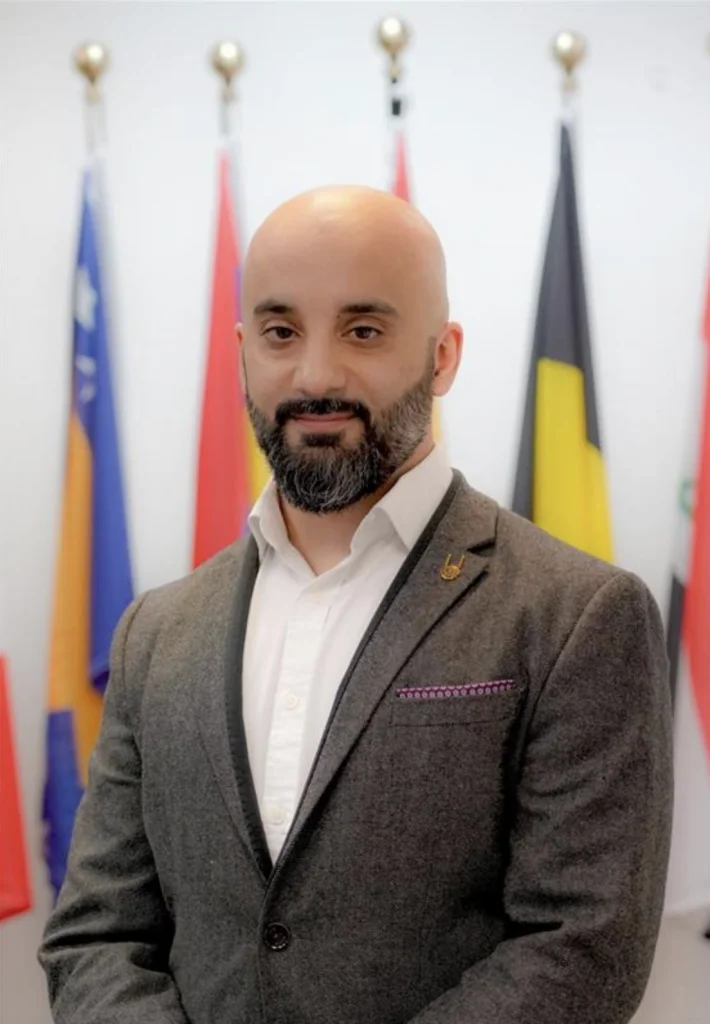
Waseem Ahmad joined the Islamic Relief family over 24 years ago, serving as Programme Officer in the Balochistan province of south-western Pakistan before becoming Head of Programmes in Pakistan. Waseem then moved to Oxfam and Tearfund before returning to Islamic Relief to establish our mission in Malawi. Later serving as Head of Programme Funding and Partnerships, Waseem led the response to major crises across the globe, including the East Africa drought, Pakistan earthquake and the Indian Ocean Tsunami.
Waseem then served for nearly 6 years as our Director of International Programmes, during which time the charity secured and retained the coveted Core Humanitarian Standard certification in recognition of the quality of our programming. He was appointed CEO of Islamic Relief in May 2021.
With a special interest in community mobilisation and infrastructure, Waseem received an MSc in Project Planning and Management from the University of Bradford, as well as an MSc in Economics from Arid Agriculture University in Rawalpindi, Pakistan.
Waseem has also worked for Lepra Health in Action and is a member of the International Civil Society Centre’s Board of Trustees. The father-of-3 enjoys walking and playing football, and is a keen birdwatcher.